Yahoo News - Latest News & Headlines
Indian army says rebels kill 2 soldiers in Kashmir
 SRINAGAR, India (AP) — The Indian army said two of its soldiers were killed in an ambush by suspected insurgents on Saturday even as troops traded gunfire with Pakistani forces across a cease-fire line dividing Kashmir between the two rivals.
Russia claims it has successfully tested hypersonic missile ‘which makes Western defences obsolete’
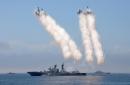 Russia has claimed it has carried out successful tests of a hypersonic missile, a year ahead of schedule. According to government-controlled news agency Sputnik, the missile system - known as Zircon - could be installed on Pyotr Veliky, the country’s nuclear-powered missile strike ship. The hypersonic missiles are a “quantum leap in technology,” defence analyst Tim Ripley’s told DW.
Teens gather for night of underage drinking at high school party: Part 1
 Sixteen-year-old Savannah joined other students, including Cameron Harrison, at a party for another student's birthday.
Yahoo News - Latest News & Headlines
Residents shield Christians in bold exodus from Philippines city
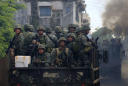 By Tom Allard MARAWI CITY, Philippines (Reuters) - More than 160 civilians walked out of the besieged Philippines city of Marawi just after dawn on Saturday, deceiving Islamist fighters they encountered by hiding the identity of the many Christians among them. The audacious exodus came after text message warnings that a major assault by Philippines aircraft and ground troops was imminent in the center of the southern city, where some 250 militants and more than 2,000 civilians remain trapped. "We saved ourselves," said Norodin Alonto Lucman, a well-known former politician and traditional clan leader who sheltered 71 people, including more than 50 Christians, in his home during the battle that erupted on May 23 in the town of more than 200,000 on the southern island of Mindanao.
Russia claims it has successfully tested hypersonic missile ‘which makes Western defences obsolete’
Russia has claimed it has carried out successful tests of a hypersonic missile, a year ahead of schedule. According to government-controlled news agency Sputnik, the missile system - known as Zircon - could be installed on Pyotr Veliky, the country’s nuclear-powered missile strike ship. The hypersonic missiles are a “quantum leap in technology,” defence analyst Tim Ripley’s told DW.

No comments:
Post a Comment